Author name: Michael Willis

Michael Willis is an East Bay Area native who began his genealogical journey at the age of 8 when he memorized seven generations of his maternal line as told to him by his grandmother. An accomplished lecturer and trainer, Michael has covered topics such as oral history, genetic genealogy, the Freedman’s Bureau and African Americans in Civil War military records.He primarily specializes in Louisiana research, particularly in West Feliciana, Orleans, East Baton Rouge and Terrebonne Parishes. Michael is a member of the African American Genealogical Society of Northern California (AAGSNC) where he currently serves on the Board of Directors. He is also a member Le Comité des Archives de la Louisiane, a non-profit genealogical support group for the Louisiana State Archives. A graduate of the University of California, Davis, Michael currently works as an IT Account Manager for the State of California.

DNA Just Demolished a MAJOR Brickwall For My 95 Year Old Grandfather

This DNA discovery may be my most significant genealogical find to date.  

Three years ago my 92 year old maternal grandfather, Milton Williams asked me if I would help him find out about his paternal ancestry. I gave him my word that I would do everything in my power to do so. I knew it would be an extremely difficult and challenging project because 1) my grandfather’s advanced age made this a time sensitive task, and 2) my grandfather’s mother, Florence (Hamilton) Williams, died when he was 6 years old and his father, Eugene, died a year later.  He was raised primarily by his mother’s side of the family and they never told him anything about his father or his father’s family. Maybe they knew something about his family, maybe they didn’t–that’s something I’ll never know, but with little information to begin with, I had major doubts I could grant his wish.  

Here were the alleged facts as I knew them:

  • My grandfather’s birth certificate states his father’s name was Eugene Williams.
  • Milton said his father was about 17 years older than his mother. He said they were married in Texas and migrated to Oakland, California between 1914 and 1920.
  • Milton was told his parents separated shortly before his mother died in 1927 and that his father moved back to Texas and died a year later.
  • I found a U.S. Federal Census record showing Eugene Williams, age 46 and Florence Williams, age 30, living in Oakland, California (Alameda County).  Eugene stated he was born in Texas. He also stated his father was born in Kentucky and his mother was born in Alabama.
  • My grandfather was born in Oakland, California in 1921.  

My first inclination was to search Texas State Death Records and the death indexes for Eugene Williams. Based on several conversations with Milton, Eugene would have died between 1927-1930. I searched the database with no success.  I didn’t know what cities in Texas he lived or died and search results for any “Eugene Williams” born around 1874 were widely variable.  I didn’t know who his parents were, if he had other children or siblings.  It started to feel like a lost cause.  

My Last Resort: DNA testing


Between the Fall of 2014 and the Winter of 2015, I submitted my grandfather’s DNA sample for all three major DNA testing companies: 23andme, AncestryDNA (offered by Ancestry) and Family Tree DNA aka FTDNA. Although Milton is of African descent, Milton’s results on 23andme showed MANY matches with people of European descent with KENTUCKY listed as a place of origin. Additionally, Milton’s paternal haplogroup (a genetic population of people who share a common ancestor on the patrilineal line) is I-M26 (formerly I2a1*).   This is a Eastern & Southern European haplogroup which indicates he descends from a European male in his paternal lineage.

In November of 2015, I began communicating with one of Milton’s 23andme DNA Relatives, a male of European descent named Jamie Painter who shared 0.89% of DNA with Milton.  Based on 23andme’s chart below that summarizes the average percent of DNA shared among relatives, Jamie’s predicted relationship to Milton’s landed in a range between 2nd cousin, one removed and 3rd cousin level. This means that the common ancestors between Milton and Jamie are between great grandparent and 2nd great grandparents.


Relationship
Average % DNA Shared
Range
Identical Twin
100%
N/A
Parent / Child
Full Sibling
50%
Varies by specific relationship  
Grandparent / Grandchild
Aunt / Uncle
Niece / Nephew
Half Sibling
25%
Varies by specific relationship
1st Cousin
12.5%
7.31% – 13.8%
1st Cousin once removed
6.25%
3.3% – 8.51%
2nd Cousin
3.13%
2.85% – 5.04%
2nd Cousin once removed
1.5%
0.57% – 2.54%
3rd Cousin
0.78%
0.3% – 2.0%
4th Cousin
0.20%
0.07% – 0.5%
5th Cousin
0.05%
Variable
6th Cousin
0.01%
Variable

Table 1: Average percent DNA shared between relatives

Jamie and I began sharing family tree information.  I studied his family tree for months trying to find commonalities.  I felt like I was looking for a needle in a haystack!  I started comparing other DNA relatives who shared triangulated strands of DNA with Jamie & Milton, but we could not identify any common ancestors.  Of the many matches my grandfather had that were clearly on his mother’s side, I noticed Jamie was not related to any of them or their common matches so my strong suspicion was that he was a relative on Milton’s paternal line.  At the time, that was all I could deduce so I put that research effort on hold for a while.

Learning that Milton’s paternal haplogroup was of European descent lead me to utilize FTDNA’s Y-DNA test for more details.  The Y-DNA analyzes the DNA in the Y-chromosome.  Fathers pass down copies of their Y-chromosome relatively unchanged for many generations.  Over thousands of years, there will be intermittent variations that will uniquely identify descendants of a common male ancestor by those variant.  Thus, my hope was to find individuals who have the same Y-chromosome that were within the last 6-10 generations to help me narrow down the possible European male ancestors.  Milton’s results were stunning because he did not descend from a line of males named “Williams.”  As a matter of fact, none of his matches even carried the name “Williams.”  Several of them carried the surname “FLOURNOY” and they descended from European French males named “Flournoy.”  His Paternal Haplogroup by FTDNA’s algorithm is I-P37–again, a Southern European Haplogroup.
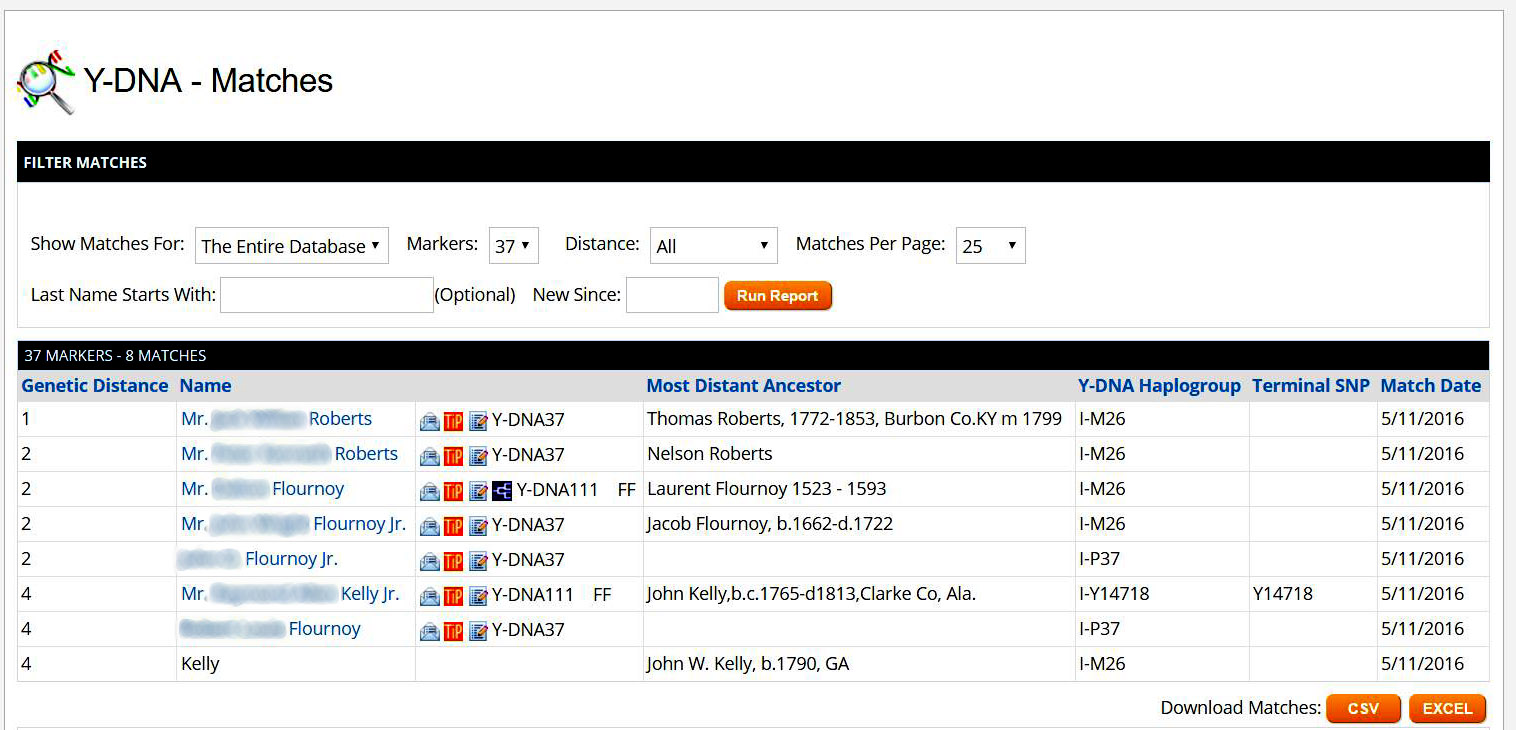
Milton’s Y-DNA Matches from Family Tree DNA (FTDNA)
 
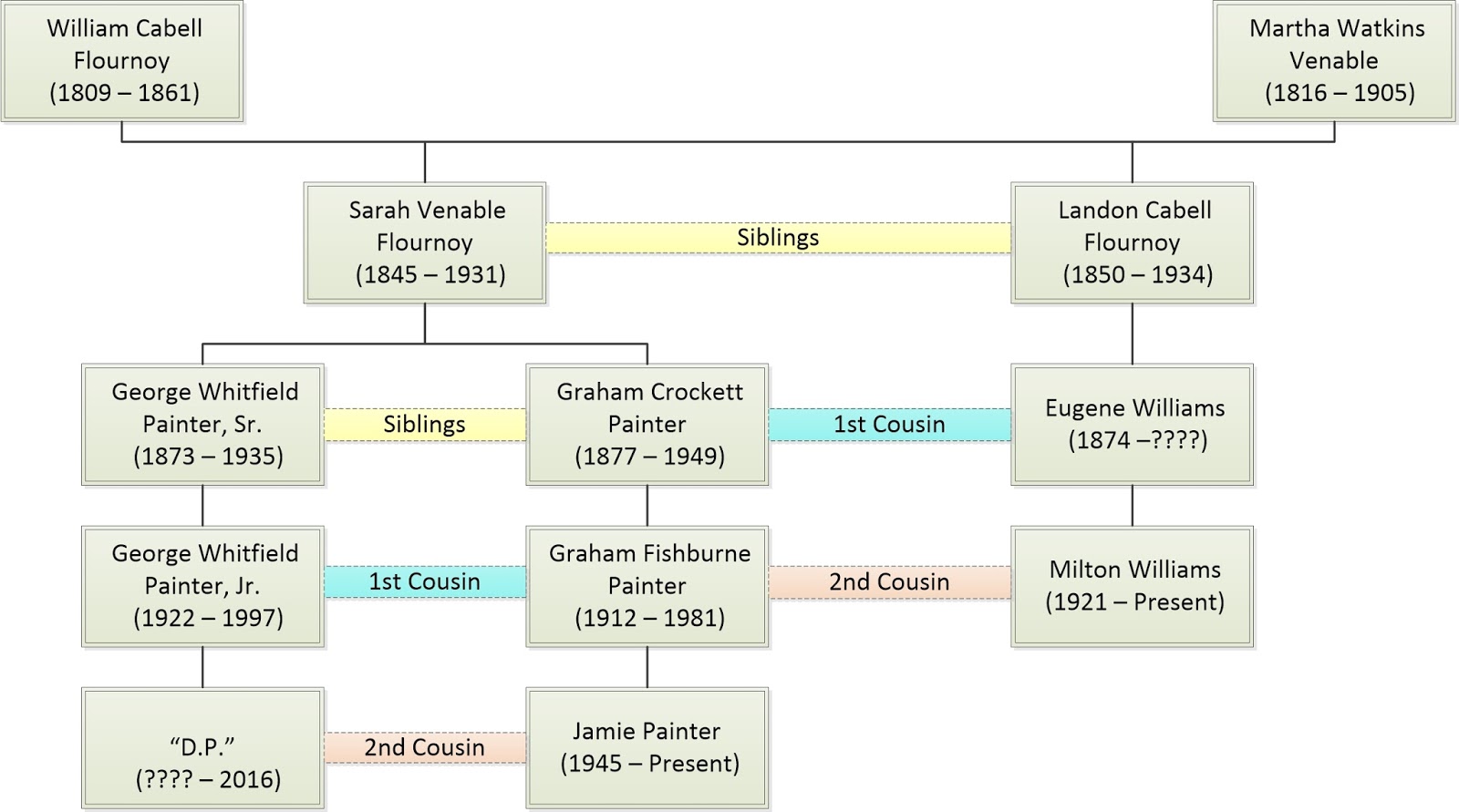
The Flournoy surname was not foreign to me.  I remembered seeing that name on Jamie’s tree.  When I reviewed his tree, I discovered Jamie’s 2nd great grandparents were William Cabell FLOURNOY and Martha Watkins Venable.  His great grandmother was their daughter, Sarah Venable FLOURNOY who married the Rev. Joseph PAINTER.  Their third child, Graham Crockett Painter, was Jamie’s paternal grandfather. 
 
When I received the FTDNA results in May of 2016, I called Jamie immediately and we began discussing the likelihood that the common ancestors, which we already knew were within the range of great-grandparents and 2nd great grandparents, were William Cabell Flournoy and Martha Watkins Venable.  Additionally, Milton had another DNA match on AncestryDNA who’s profile username was “D.P.”  This person was a male and the grandson of George PAINTER, Sr., Graham Crockett Painter’s brother.  That meant that “D.P.” and Jamie shared the same great-grandparents (William & Martha), thus, they were 2nd cousins.  Jamie knew of “D.P.” and sadly conveyed that he had passed away this past September. Yet, this was confirmation that William & Martha were undoubtedly common ancestors of both Milton and Jamie.
 
Lastly, I compared Jamie’s raw data with Milton’s on Gedmatch and the Most Recent Common Ancestor (MCRA) was determined to be 3.8 generations ago. That narrows Milton’s relationship to Jamie as 2nd cousin, once removed and 2nd cousin to Jamie’s father, Graham Fishburne Painter, which means Graham is in the same generation as Milton from the common ancestors, William and Martha Flournoy, their great-grandparents.
 
So what else does this new revelation mean?  It says that one of William and Martha Flournoy’s male children was most likely Milton’s paternal grandfather. As I stated earlier, Milton’s father, Eugene, stated on the 1920 Census that his father was from Kentucky. Well, herein lies the challenge because the Flournoys and Venables were deeply rooted in Virginia according to Jamie.  On the other hand, it must be noted that census data was often inaccurate.  Additionally, depending on the nature of the relationship between Eugene and his biological father, if any, he may not have actually known where his father was born. He may have assumed Kentucky if that’s where he was living when Eugene reported the information. Nonetheless, this would require studying the ages, lives and migration patterns of the surviving male Flournoy children to either qualify or disqualify them as a Eugene’s father.
 
The male children of William & Martha Jamie & I identified to be:
 
John James Flournoy (b. 1837 -)
George Mallory Flournoy (b. 1847 -)
Landon Cabell Flournoy (b. 1850 – 1934)
Charles Bruce Flournoy (b. 1854 – 1912)
 
Examining their birth dates approximated from census data, and assuming each generation spans about 20-25 years, it is plausible for all of these men to have fathered Eugene who was born in 1874, however, the only son with documented evidence of migrating to Kentucky (and subsequently died there) was Landon Cabell Flournoy who would have been 24 years of age at the time of Eugene’s birth.  I can’t say with 100% certainty, but Jamie and I are of the strong opinion that Landon Cabell Flournoy is Milton’s paternal grandfather.  The pedigree below illustrates the family tree as we believe it to exist.

The only item left that would solidify this DNA discovery for me is to find a living male Flournoy that descends from William Cabell Flournoy and have them take a Y-DNA test. A male descendant of Landon would be ideal, but I have yet to identify any living male descendants. 
 
On December 17, 2016, Milton and Jamie were able to communicate for the first time via Skype.  It was a very moving moment for both men. My grandfather was quite emotional because for the first time in his life, he was able to connected with family on his father’s side.  I am so grateful to Jamie for his perseverance and his commitment to the process and I’m grateful to God that a grandson could be a blessing to his grandfather by giving him his heart’s desire.

Finding My Fleming Family (Actually, They Found Me)

September 25, 2016.  I receive an email notification on Ancestry.com from Patrice Ambeau-Royal, my 3rd cousin, once removed.  I did not know she existed and this was my first correspondence with her.  You might be saying to yourself, “Well, how do you really know she is your cousin?”   The quick answer: Because of two simple sentences that stopped me dead in my tracks:

Hi, Daisy Fleming was my great grandmother. Just had some questions if you don’t mine. 

I replied back with my phone number hoping she would call me ASAP.  Why?  Well,  in 2010, I had a conversation with my great-grandmother’s brother, the late Earl Fleming, Sr., who told me his father, my 2x great-grandfather, George Arthur Fleming, Jr., affectionately known as “Papa” to the family, had two sisters, Lillian & Daisy Fleming and a brother named Nathaniel.

I continued to ask detailed questions that lead to the following discoveries: Papa was born August 16, 1886 in New Orleans, Louisiana. He was the only child of George Fleming, Sr. and Malinda Carr. Malinda seems to disappear from the records at a young age and shortly thereafter, George marries a woman named Lucy Kellogg.  From that union, another 5 children were born. Aside from the aforementioned, there was also Hamilton Fleming and Florence Fleming.


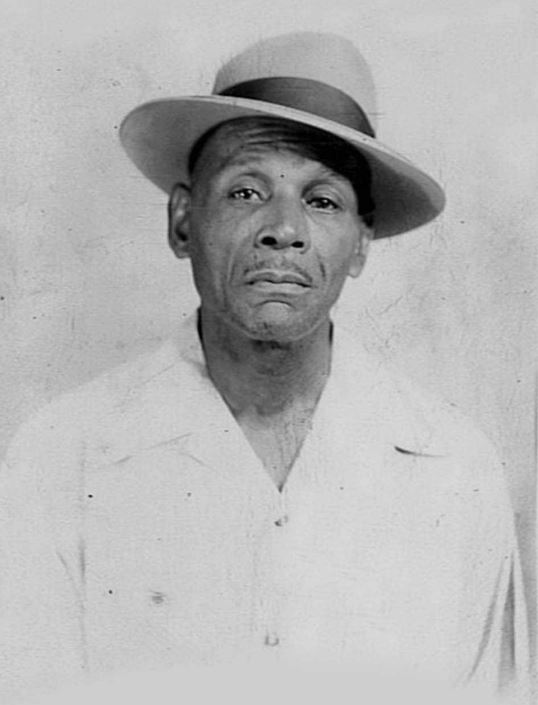
George Fleming, Jr.
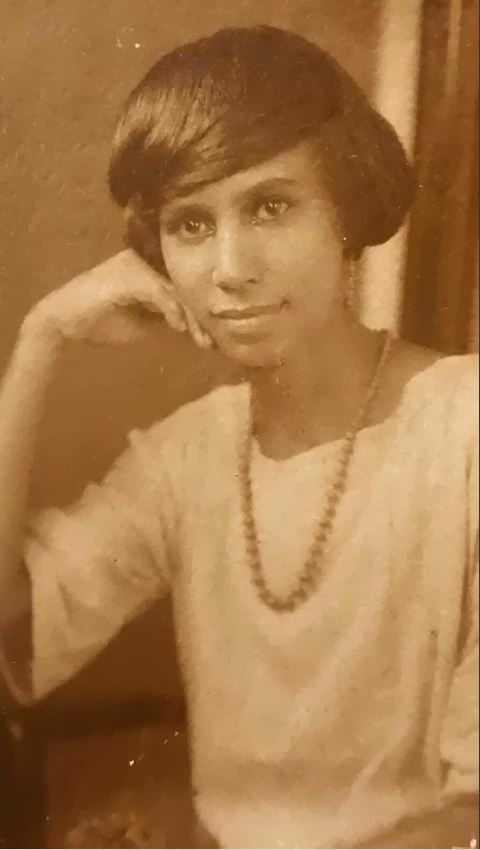
Daisy Fleming

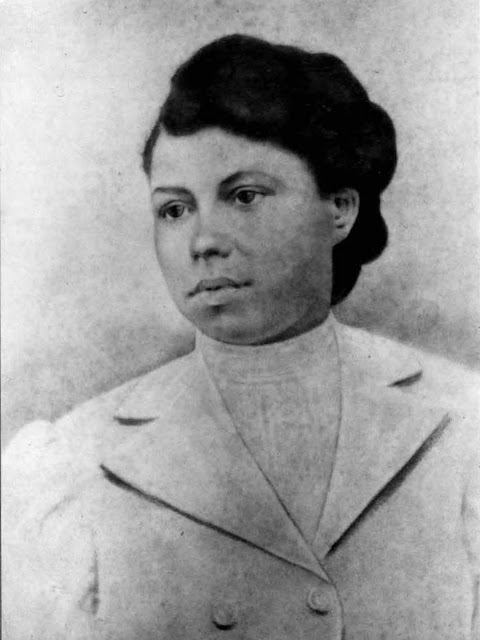
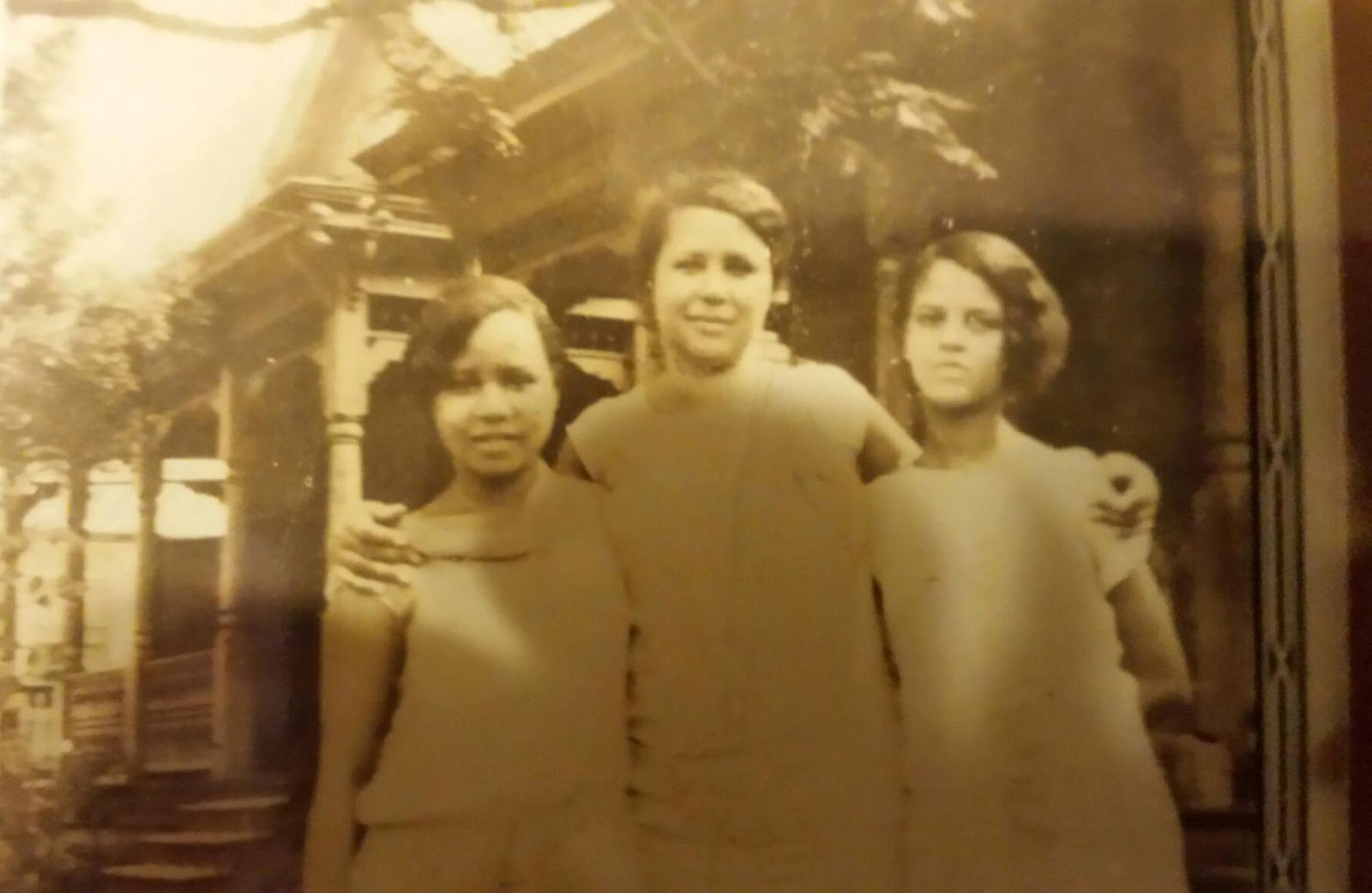
Once Patrice and I started communicating she sent me a picture of Daisy. In return, I sent her a picture of George and we were both stunned. Patrice proceeded to tell me that she contacted my grandmother’s first cousin, Norma Rae, daughter of one of Papa’s son, Raymond Fleming, Sr.  I don’t personally know Norma Rae, but I always knew of her.  My mother, my aunts and several extended family members know her well.   I asked her “how in the world do you know Norma Rae?”  She told me that she met Norma Rae through her sister, Ramona because Patrice went to school with Ramona’s sons. I immediately texted my cousin, Raymond Fleming, Jr.  He was stunned to hear about this because Norma Rae and Ramona are his sisters and he did not know about Patrice. Patrice said her mother, Lorraine, told her Ramona and her children were their cousins, but they did not know the exact relationship.

While researching, Patrice also discovered that “Daisy” was a nickname.  Her birth name was actually Georgiana Fleming! 

The DNA evidence


October 31, 2016.  Patrice contacted me again to let me know she took Ancestry’s DNA test and her results were in.  Once she uploaded her data to Gedmatch, I logged in to analyze her results against my known relatives who tested with 23andmeRaymond was listed as her closest match!!!  My mother’s sister, Melvia, was also listed as well as Uncle Earl’s granddaughter, Ratonya Terrell and his sister, Thelma Fleming’s granddaughter, Channa Davis.  

In the Gedmatch table below, notice the 4th column labeled “Gen.”  It shows that Raymond, Melvia and Ratonya share their most recent common ancestor (MCRA) with Patrice approximately 4 generations ago.  Surprisingly, Channa is 7.5 generations from the MCRA which is odd because Melvia, Channa and Ratonya were born in the same generation. My presumption is that Channa simply did not inherit as much DNA from our common ancestor, George, as the other matching relatives.

Kit Nbr
Total cM
Largest cM
Gen
Name
M738651
64.3
26.7
3.9
Raymond Fleming
M232604
48.2
27.2
4.1
Melvia W
M862900
45.7
17.5
4.1
Ratonya Terrell
M288930
7
7.0
7.5
Channa Davis
Table 1 – Patrice’s DNA Matches compiled from Gedmatch
 
Additionally, there are several relatives, including myself, that did not inherit the same genes from Papa and Daisy, thus, we were not listed at all.  This can happen because DNA inheritance is a random process.
 
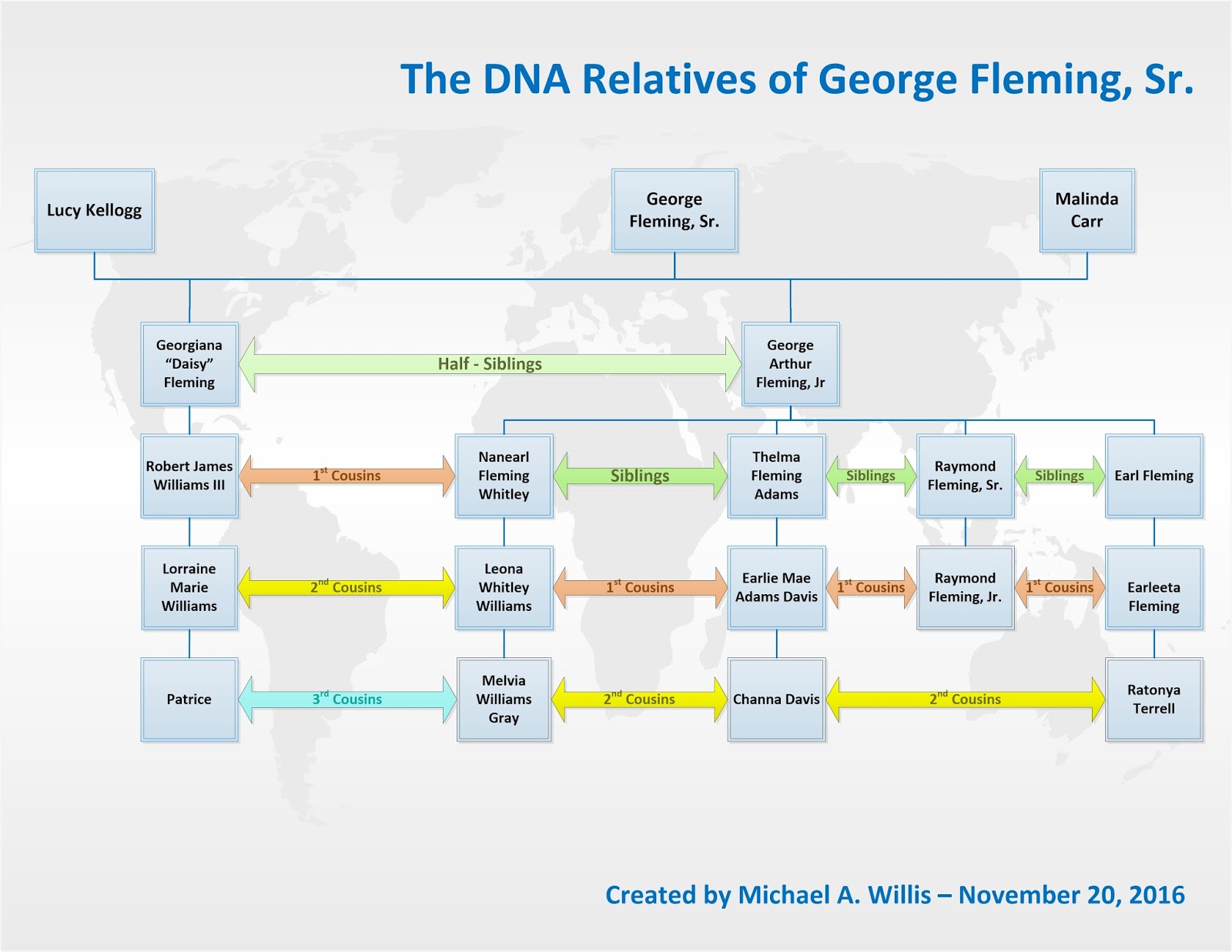
Examine the pedigree chart below depicting the Fleming Family Tree.  Please note that for simplicity, only relatives that submitted DNA samples (and their direct ancestors) are presented here to compare with the Gedmatch table illustrated above.
 
Partial Descendant Chart for George Fleming

Clearly, Gedmatch was accurate!  Patrice, Channa and Ratonya are all exactly 4 generations from George Fleming, Sr.  Raymond Fleming, Jr. is 3 generations away which explains why the comparison between he and Patrice is 3.8 generations from the MCRA.

 
Lastly, I showed Daisy’s picture to my aunt, Nan (my mother’s sister).  Nan said she recognized her face because in the 1960’s, she visited Papa and saw two lovely pictures of his sisters. Until that day, she was unaware Papa had sisters because no one in the family ever talked about them.  

I’ve Waited 10 Years For This Document!

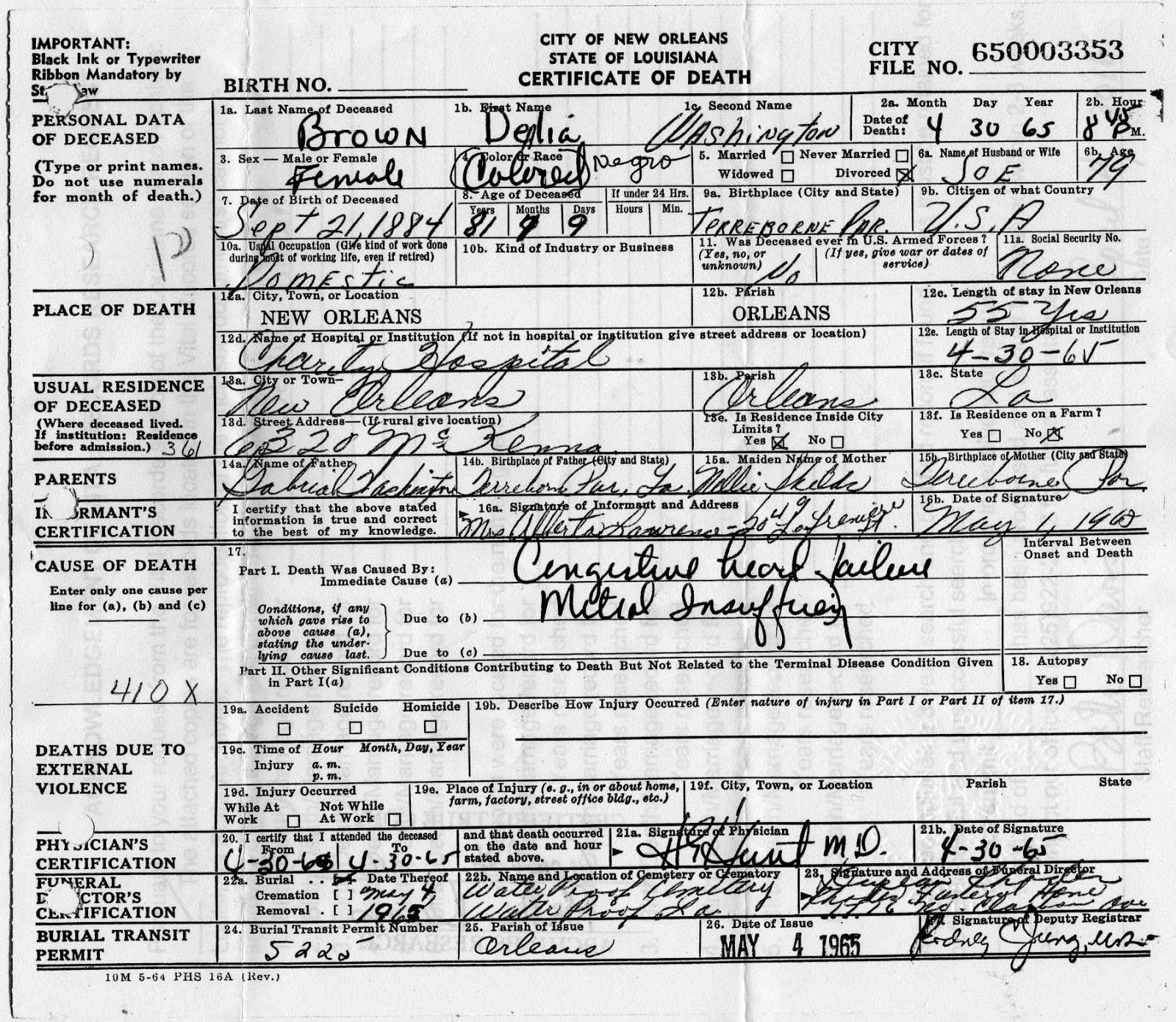
Due to the State of Louisiana’s policy that ordering certified copies of death certificates for deaths that occurred in Louisiana less than 51 years ago is prohibited, I’ve had to wait 10 years to to acquire this death record for my 3x great grandmother’s sister, Delia Washington Brown, better known as “Aunt Dutsey.”  Well, I finally received it in the mail yesterday!!!  I now know the name of her former husband.

What really caught my attention was the informant for the information: Mrs. Alberta Lawrence.  Alberta was the granddaughter of Delia’s sister, Martha Shields England, and therefore, Delia’s great niece!

Sweet!

Delia Washington Brown’s Death Certificate

You Can Tell A Tree By The Fruit That It Bears

Matthew 7: 17-20 (New International Version)


“Likewise, every good tree bears good fruit, but a bad tree bears bad fruit. A good tree cannot bear bad fruit, and a bad tree cannot bear good fruit. Every tree that does not bear good fruit is cut down and thrown into the fire. Thus, by their fruit you will recognize them.”

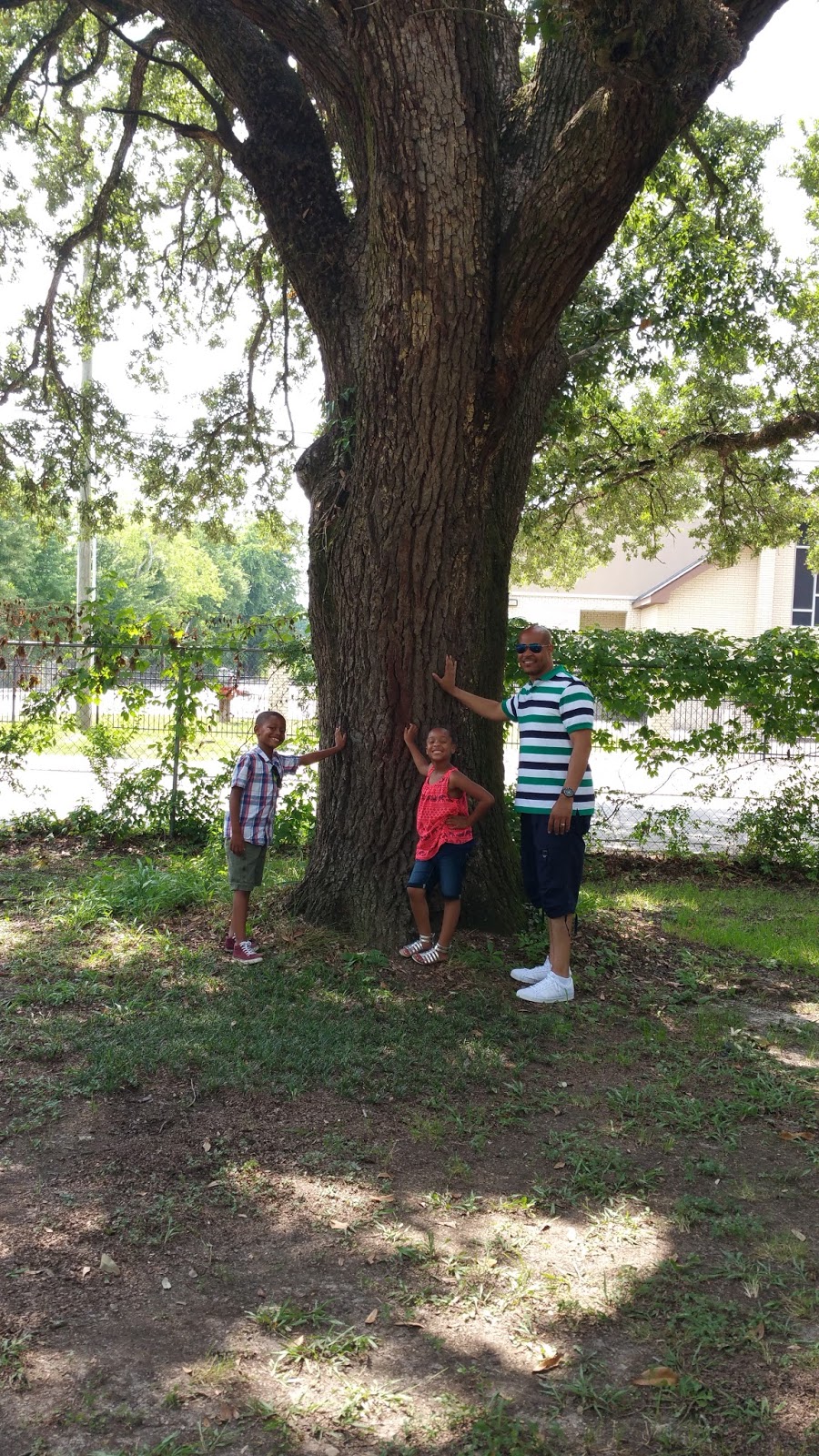
Since I was 8 years old, my father would tell me about the property his maternal grandfather, Montgomery Mckinley, bought for his family back in Baton Rouge, Louisiana during the 1940’s. Montgomery died of a heart attack in 1944 at the age of 43. After he died, my grandmother, Ruby, planted the two trees, seen in these photos, on the property. My dad said the trees are being preserved by the city.

Ruby and her mother, Essie Taylor Mckinley continued to live on this property until 1967 when Ruby and her husband moved to Oakland, CA. Essie sold the property and moved to Oakland with her daughter in 1972 after I was born. My parents always said I was the reason she came to California. The church across the street, New Gideon Baptist Church, now owns the property.

Before we came back to California, I wanted to make sure I got a picture of my children next to those trees. When they get a little older, I will tell them a story about those trees…


NEW DISCOVERY: The Newspaper Death Notice of my Great Grandmother, Florence Hamilton Williams

Yesterday, I visited my 94 year old grandfather, Milton Williams in Oakland, California. He told me that although he was 6 years old when his mother died, he remembered certain details about the funeral.  He remembered asking family members why they were crying.  He then said “I even remember the church where her funeral occurred.  It was on 9th & Chester and it was an AME church…’Chapel…’ something.”  I Googled “9th and Chester AME Church” on my phone and the following URL appeared in the search results: http://www.parkschapelame.org/about-us.html.

I asked him, “Was it Parks Chapel AME Church?”

He said “THAT’S IT, YES, YES, THAT’S IT!  How did you do that?”  I explained to him how I used the internet on my phone.  He was so amazed!

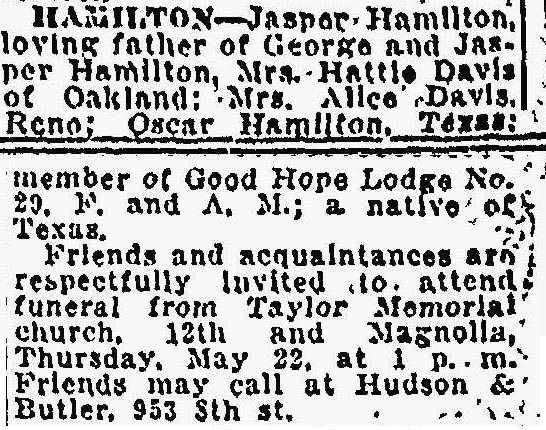
I also told him that I found out his grandfather was a Mason and he his face lit up like a Christmas tree.  He asked me how I discovered that and I told him that I found his death notice on Newpapers.com.  His grandfather, Jasper Hamilton, died May 18, 1930 in Oakland, California.

From my phone, I showed him the following newspaper article:

He couldn’t believe it!

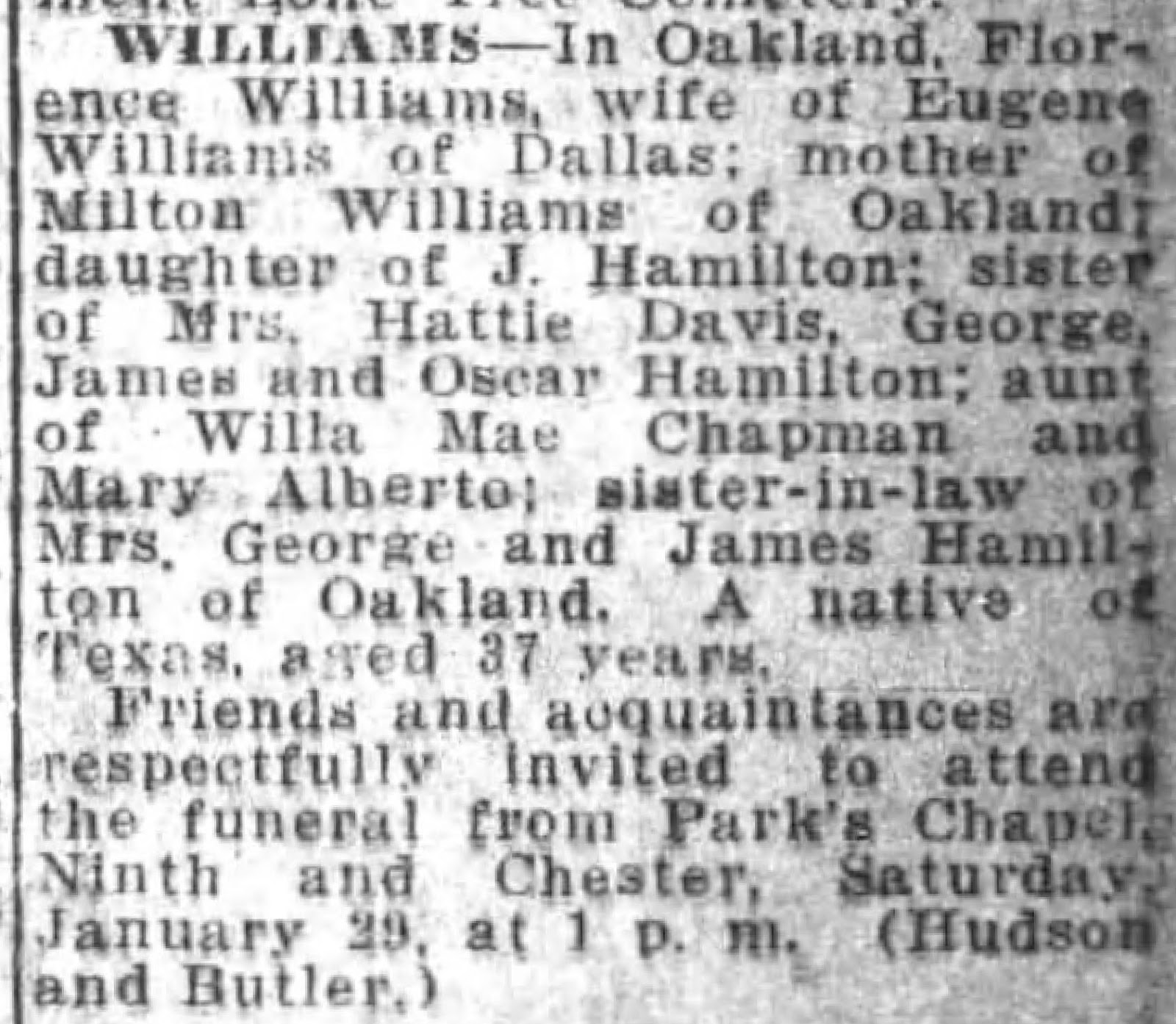
He then suggested that I look for his mother’s death notice in the Oakland Tribune which I never thought to pursue because I already obtained her death certificate from the Alameda County Clerk-Recorder’s Office.  Florence Hamilton Williams died January 25, 1927 in Oakland, California. Previously, I did search for her name on GenealogyBank.com and Newspapers.com, but for months, I came up empty-handed.  HE WAS ADAMANT there had to be a death notice because he said his family was “very big on publishing things like that in the paper.”

His passion about it motivated me to search tonight, but just when I was about to give up (since I’d been down this road before), I changed my search criteria to HIS NAME and it appeared at the top of the search results on Newspapers.com I called him immediately!

At 94 years old, my grandfather’s mind never ceases to amaze me!  He remembers so much in great detail.

What’s most amazing to me is now, I have a location for his father’s origins!  All my grandfather knew about his father was that he “was from Texas.”  He was told his parents separated shortly before her death and that his father moved backed to Texas.  When he received word his wife died, he sent letters and clothes to his son, but he died a year or two later.  He was never told anything else about his father.  With so little information, I’ve searched for his father the last two years with no good fortune, but now, I at least know he was from Dallas, Texas!

The search continues…

Finding My Maternal Ancestors: A Dream Come True!

In my very first post, I mentioned that my grandmother taught me to memorize the previous seven generations of my maternal ancestors at the age of 8 years old.  I am so thankful to my grandmother, the late Leona Whitley Williams, for speaking their names into my mind and heart. Those names came to life through subsequent genealogical research. That research manifested into discovering living descendants.

This branch of my family tree was the beginning of my journey–it’s where and why I started researching my family 12 years ago.  I had three initial goals:

  1. To validate the stories I was told
  2. To find out if there were unidentified living descendants from collateral lines
  3. To find the FIRST name of this maternal tree, Binky Shields, my 5th great-grandmother in any surviving historical documents.

I’ve now completed the first two!

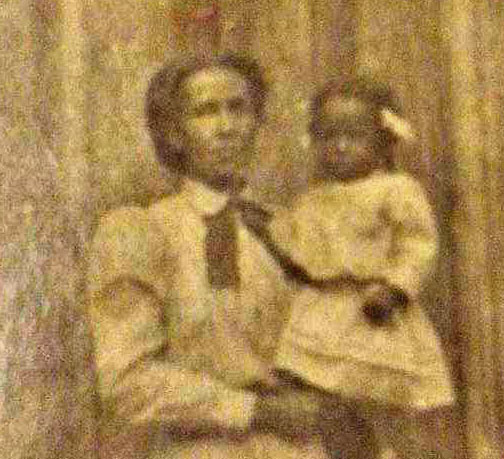
Fanny Shields Page

Oral history states my 5th great grandmother, Binky Shields, a slave of a Louisiana Planter with the surname “Shields,” bore a daughter named Nellie Shields (b.1842).  Nellie bore three girls prior to the end of the Civil War, Nancy (b.1852), Martha (b.1858) and Fanny Shields (b.1860)–all fathered by the slave owner or one of his sons.  After the Civil War, Nellie married a man with the surname “Washington” and bore her last two children: Gabriel and Delia Washington, better known as “Aunt Dutsey.” I descend from Fanny Shields who is my 3x great grandmother.

My grandmother said Nancy married, but she could not remember her married name.  She did remember that Martha Shields’ married name was “ENGLAND” and Fanny married my 3x great grandfather, Jack PAGE II. According to my grandmother, Aunt Dutsey never married and Gabriel became a teacher and moved away never to be heard from again.

When I asked her where did they all live during this time period, she said “they all came out of New Orleans.” However, years later, when I asked where her grandmother, Cora Page (Fanny’s daughter) was born, thinking deeply and out loud, she said, “Was it Houma?  I’m not sure.”

I’ll coming back to that in a minute…

While visiting Baton Rouge, Louisiana to attend a family reunion on my father’s side in 2006, my wife and I stopped by the Louisiana State Archives to do genealogical research. I told the staff who & what I was looking for and they suggested that I take a look at their 12 volume set of South Louisiana Records written by Father Donald J. Hebert.  These civil court and church records are abstracts from courthouses, as well as Catholic and Protestant churches in both Lafourche and Terrebonne Parishes.  One the volumes contained the courthouse marriage records for Nancy, Martha and Fanny Shields!  They were all married in Houma, Louisiana which is located in Terrebonne Parish! 

  1. Nancy married Henry MOORE on Jan 2, 1870 (See Document Here).
  2. Martha married Frank ENGLAND on May 20, 1976 (See Document Here).
  3. Fanny married Jack PAGE on August 11, 1977 (See Document Here).
Benjamin England & 
Dora Gautreaux England

With that information, I went back to the census records from 1880-1930 and looked for more information on Martha and Nancy (I already had Fanny’s information). I discovered that Martha had three sons: George Monroe England, Benjamin England and Isaac Morris (adopted).  George had two children: James England and Beatrice Carbo (adopted).  Benjamin and his wife, Dora, had 4 children, Olivia, Alberta, Wilbert & Martha.

Nancy Shields Moore had 5 children living, although she stated she bore 11 total: James, Joseph, Martha, Nancy & Bertha. I had no other information on them since I did not know the married names of the girls and the sons seem to “vanish” in the records.

Alberta England Lawrence

Then, in February of 2011, on Ancestry.com, I met my 4th cousin, once removed, Renee Lawrence-Harrison, 2x great-granddaughter of Martha Shields and Frank England. I’d received one of those “green leaf” hints appearing on Martha’s profile posted on my Ancestry.com tree informing me of a potential match of information. Renee and I have stayed in consistent contact over the years and shared much information and photographs. Renee explained that she descends from Benjamin England, her great-grandfather and his daughter, Alberta (Renee’s grandmother). Alberta married Alexander Lawrence and had three sons, Alexander, Joseph and Frank (Renee’s father).

Mildred Iles Lavizzo

During that time, Renee told me she also knew some of the descendants of Martha’s sister, Nancy Shields Moore, in particular, Nancy’s great-grandchildren, Nancy Lavizzo and her sister, the late Millicent Lavizzo Russell.  Subsequent research revealed that their late mother, Mildred Iles Lavizzo, was the first African American Supervisor of Teachers for Chicago Public Schools and there is a school named after her.  Through multiple contacts on Facebook & Ancestry.com, I located Nancy Lavizzo in 2013 and her nephew, Corey, last year, however, Nancy and I did not speak by phone until April of 2015.

Here’s how it happened:

Aurora McGraw Goode

On February 16th, 2015, I received another “green leaf” on my Ancestry.com tree, but this time, it was Nancy Shields Moore’s profile. The hint led me to a tree showing Nancy, her husband, Henry Moore and several children whose names I recognized. I reached out to the owner of the tree, Barbara Goode, Nancy Shields Moore’s great-granddaughter and we quickly discovered we were cousins. Barbara’s descends from Nancy’s daughter, Martha Moore McGraw who had 4 children: Clarence, Evans, Jr., Robert and Aurora (Barbara’s mother).

Additionally, she also knew Nancy Lavizzo. Barbara introduced me to her sister and we spoke almost every day. They sent phenomenal pictures of their mother, Aurora and her aunt, Bertha Moore, daughter of Henry Moore and Nancy Shields. I recognized Bertha’s name from the list of Nancy Shields Moore’s children and the newspaper obituary for Aunt Dutsey that I discovered on GenealogyBank.com that mentioned her alongside her sister, Nancy Moore Lavizzo!

Nancy Shields Moore
(Child is unknown)

I forwarded the Goode Family photos to Nancy Lavizzo and she contacted me immediately!  Neither of us could contain our excitement!  She asked me how I acquired these photos of her family members and I told her how I met the Goodes online and they were more closely related to her than I was. We spoke via phone for over an hour and a half and by the end of the conversation, we were both crying!  Nancy shared wonderful information about her family and more pictures as well!  Nancy actually has two pictures of her great grandmother, Nancy Shields Moore, my 3rd great-grandmother’s sister!!!  Never, in my wildest dreams, did I think I would see another picture of the Shields’ sisters!

Nancy Moore Lavizzo
(Standing) & Bertha Moore

I expressed to Barbara, Renee, Corey and Nancy that I’ve been searching for them since 2003 and all my life I wanted to know their whereabouts. This was a dream come true!  My heart was just overwhelmed with joy and gratitude!  They all expressed longing to know their history!  This was, yet again, another powerful moment of confirmation for me–that the seeds planted by my grandmothers in me and the years of research were not in vain.  I simply have no reason to believe any of these events occurred by chance!

A Note to all of you genetic genealogy enthusiasts: You’ll notice that most of these relatives are all women who share a common ancestor, Nellie Shields Washington, through generations of maternal lineages (except Renee who is related on her father’s side).  Well, it stands to reason that we would all share the same maternal haplogroup. Utilizing 23andme.com I’ve tested, my aunt, and several cousins who all descend from Cora Page (Fanny’s daughter) and we all share the same maternal haplogroup.  My hope is that my newly discovered cousins will test and validate what we already know.  That will be fun so stay tuned!

Additional photos posted below:

Bertha Moore (right),
Woman unknown (Left)
Close up of Nancy Shields Moore
Woman unknown (Right), Bertha (Middle), Aurora (Right)

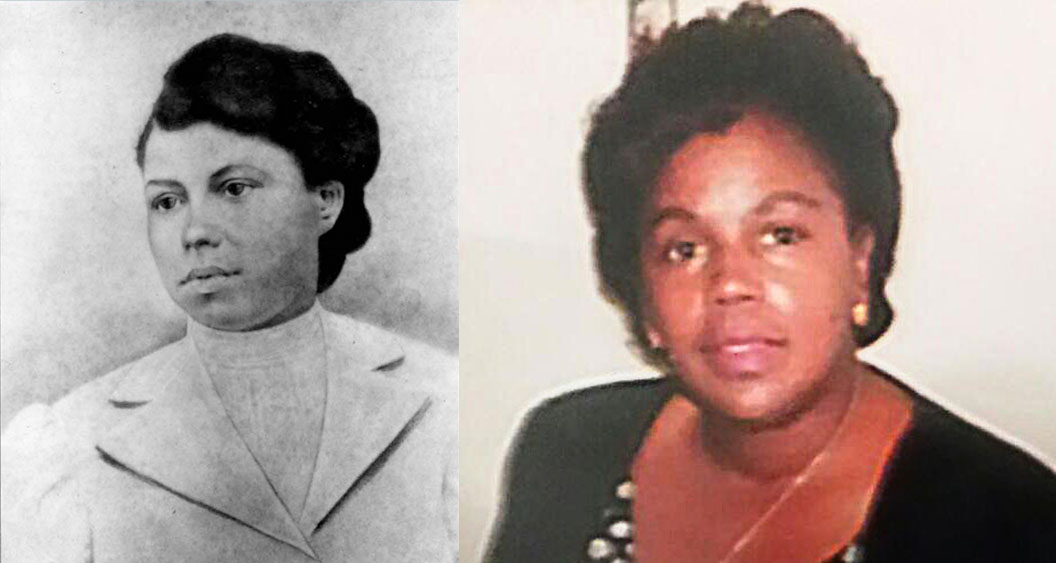
This last photo is Fanny Shields Page and the late Janet Mae Goode Payne, Barbara’s youngest sister. I was stunned to see such resemblance between them.

Fanny & Janet Mae Goode (Aurora’s Daughter)

—————-

To my 5x Great Grandmother, Grandma Binky: I’m knocking on your door.  I know I will find you!  It’s just a matter of time and I will not rest until I do.


William Maddox, the White Confederate Who Loved a Black Family

As I continue researching my 3rd great-grandmother, Artimease Wederstrandt Benton, a former slave and widow of a Civil War United States Colored Troop (USCT),  I’m amazed at the untold, underlying stories revealed during her life and times.  It’s taught me that the Antebellum and Postbellum South–Louisiana in particular, have a very complex history.  When I started these research projects, like most African Americans, my presumptions were that racism and segregation would prove to show my family in complete isolation from the social mainstream and an ethnic divide analogous to the parting of the Red Sea. Yet, my Dear Mother always said “there’s two sides to every coin” and I’m seeing that other side as I examine the role a man named William Maddox played in Artimease’s life.

As I mentioned in my March 2013 post, “BENTON and JACKSONS: The Truth Revealed,” the 1880 U.S. Federal Census in East Baton Rouge Parish, Louisiana showed a household inhabiting Artimease with 5 of her 7 children. The household next door, 247 America Street, included her sister, “Wartha Wederstrandt,” and according to oral history, her common-law husband, a white male named William Maddox, a carpenter.  According to the census, Maddox was 55 years old and Wartha was 36 which places their birth dates in 1825 and 1844, respectively, as well as their birth locations in Louisiana.

My curiosity got the better of me, so I continued to research Maddox.  When I examined the 1870 census in East Baton Rouge Parish, I discovered a white male, age 40, named William Maddox (b. 1830) from Ohio, living with “Waffie” Wederstrandt (another known alias of Wartha), age 25 and Joseph Wederstrandt, age 15, both born in Louisiana and listed as “Mulatto.”  With his occupation listed a “Carpenter,” his real estate property is valued at $150 and personal property valued at $100.

In the 1860 U.S. Federal Census in East Baton Rouge Parish, nearly 8 months before the Civil War began (and 5 years before slavery ended), “Wm G Maddox,” age 30, is listed alone as an “Overseer” with personal property valued at $500 and similar to the 1880 census, a native of Louisiana.  To date, I find no other record of Maddox prior to 1860, but I will need to visit the Louisiana State Archives and the East Baton Rouge Parish Courthouse for further investigation.

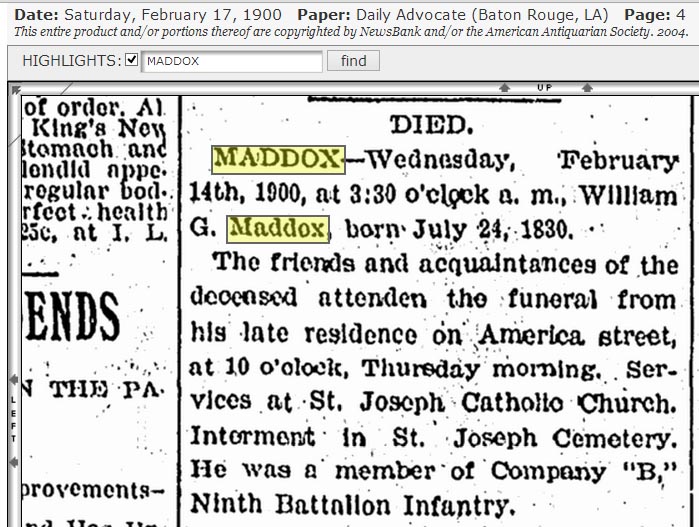
Death Notice on William G. Maddox
via GeneaologyBank.com

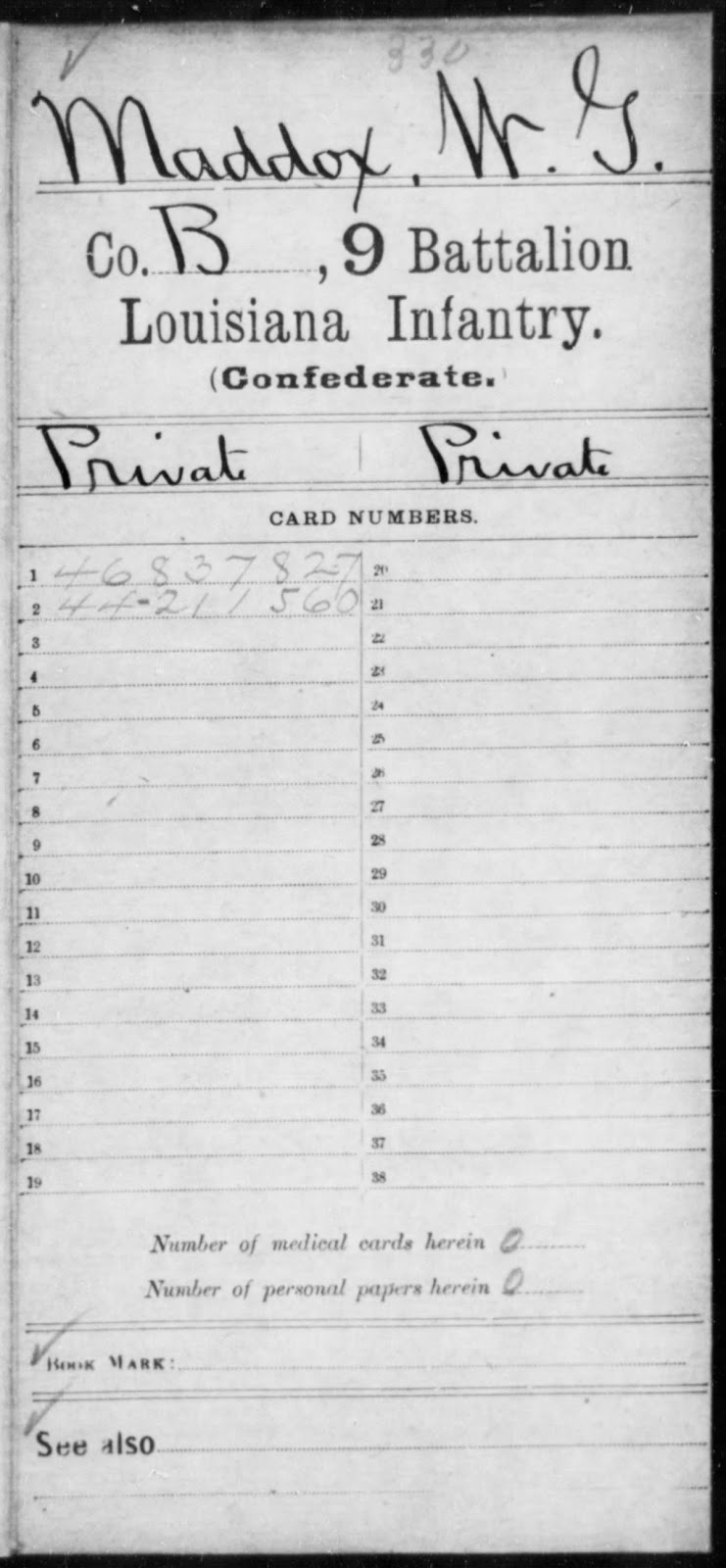
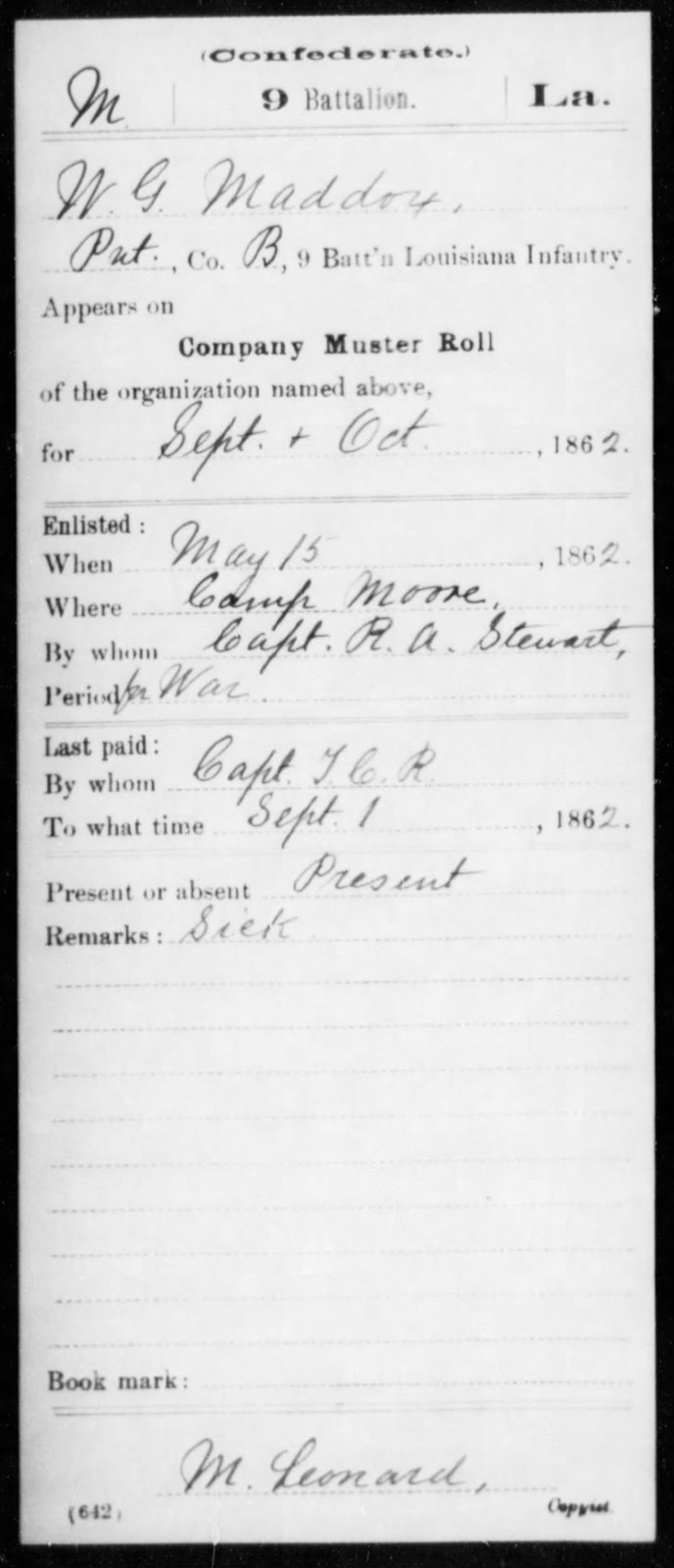
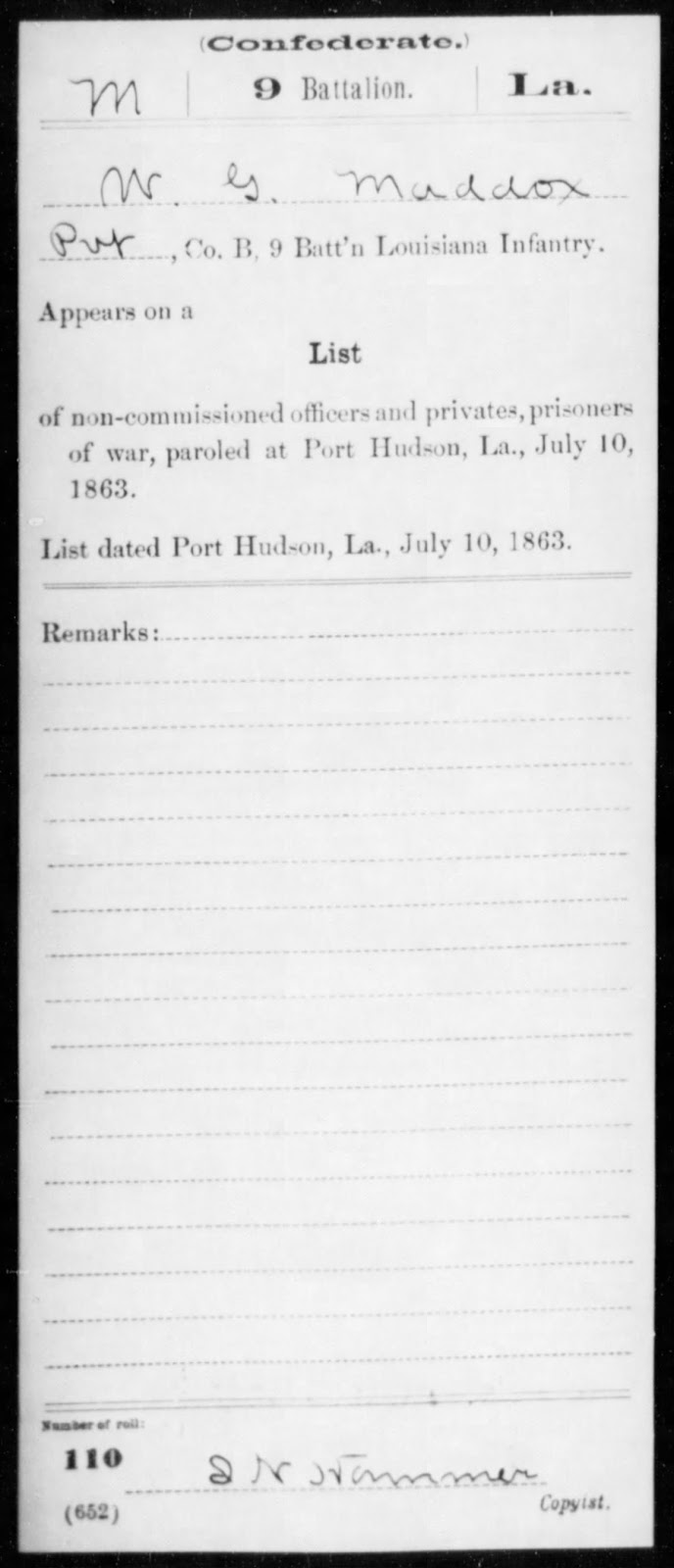
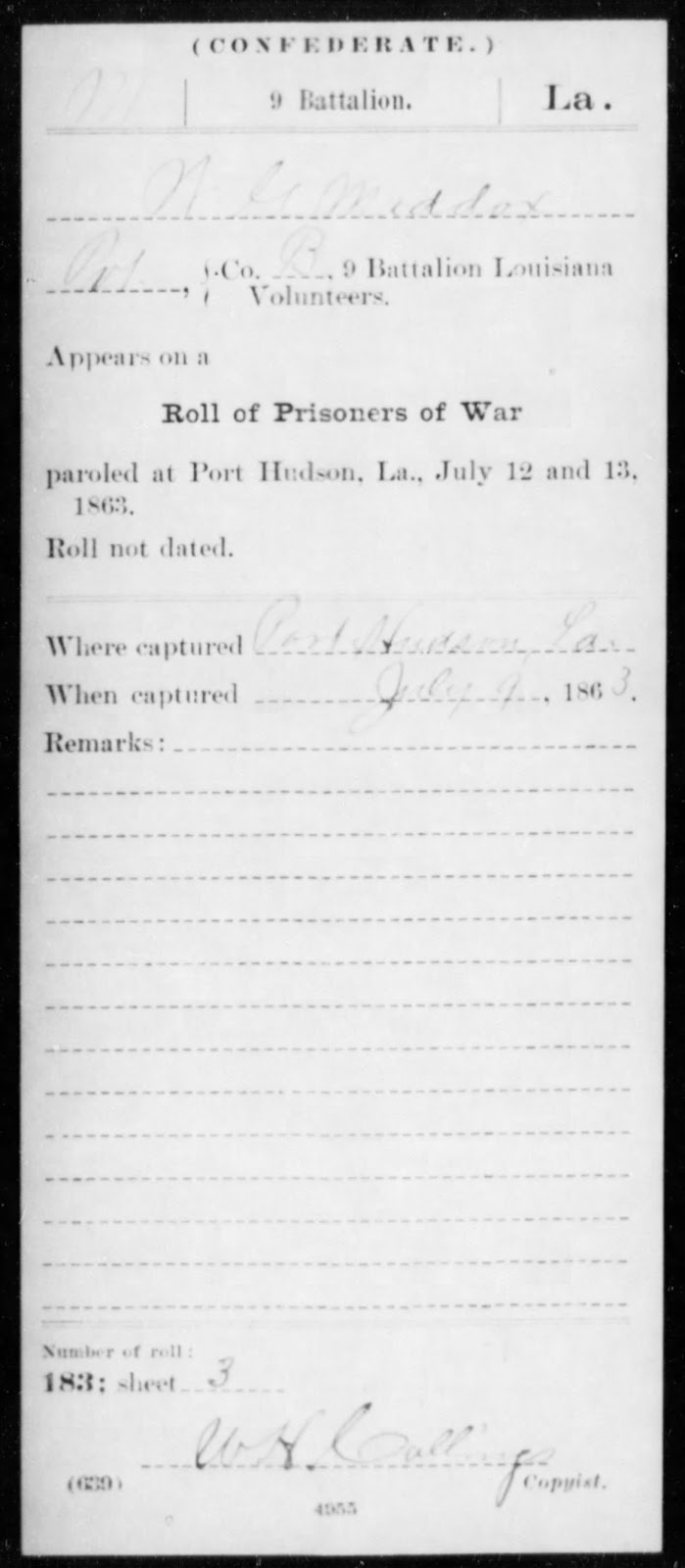
I searched GenealogyBank.com and found this newspaper death notice in the Baton Rouge Daily Advocate dated February 17, 1900 regarding the passing of William G. Maddox. It states Maddox, who died on Valentine’s Day, was to have his funeral held at his residence on America Street.  The last sentence of the paragraph states he “was a member of Company “B,” Ninth Battalion Infantry.” I checked Fold3.com, a website containing U.S. Military records online, to prove Maddox’s military service and to my surprise, I discovered he was a Confederate Soldier!
Below, are Maddox’s Confederate PRISONER OF WAR muster rolls showing his Battalion was captured near Port Hudson and paroled in July of 1863.


I also checked the National Park Service website which also contains a database on Civil War historical facts such as soldiers, regiments & battles.  I found the following description of the 9th Battalion, Louisiana Infantry:

OVERVIEW: 9th Infantry Battalion [also called 17th Battalion] was formed at Camp Moore, Louisiana, during March, 1862. It contained four companies, and some of the men were raised in Rapides Parish. The unit served in Gregg’s and Maxey’s Brigade in the Department of Mississippi and East Louisiana and was captured in the fight for Port Hudson. After being exchanged, it was not reorganized. Lieutenant Colonel Samuel Boyd and Major Tom Bynum were its field officers.

What is so intriguing about this information is that Artimease’s husband, Thomas Benton, served as a U.S. Colored Troop from 1864-1867 with the 67th & 65th regiments–both organized at Port Hudson which was only 20 miles north of Baton Rouge–the place the regiments mustered out after the war in 1867.  In addition, Wartha’s death record states she was born in Bayou Sara, Louisiana and the 67th Regiment moved there during an expedition in 1864.

So, am I to believe that a white male Confederate soldier and former overseer of a plantation, upon his capture and parole from being a Prisoner of War in Port Hudson, establishes a friendship with 3 former slaves– an African American soldier fighting for the opposition, his future wife, and her sister with whom he develops a lifelong relationship that lasts for more than 30 years????

Affidavit from William G. Maddox

Apparently, more circumstantial evidence I uncovered supports this theory.  In July of 2013, I ordered Artimease’s Civil War Widow’s Pension File preserved at the National Archives in Washington, D.C.  Thomas Benton died in 1877 from Tuberculosis–12 years after the war ended. By that time, Artimease bore four children with Benton.  She applied for the pension 15 years later, in August of 1892, after legislation was passed a few years prior, allowing widows of Union soldiers to collect benefits.  By that time, all 7 of Artimease’s children were born.  The 65-page file of documents collected over a 32 year period contained Benton’s military record, medical exams, muster rolls, letters from the War Department, letters from Artimease and her family members, and general affidavits from people who personally knew the couple and their children. These individuals would also attest to the true events surrounding the Bentons’ lives and the nature of their relationship.

William G. Maddox’s signature can be found on several of these documents as a witness to the various claims made by Artimease and others. Maddox also provided his own sworn affidavits, as shown to the right, describing his knowledge of the family.  He states he “kept a record of the births of the children of claimant and soldier having known them intimately.”  This comes as no surprise given his experience as an “overseer” in his previous line of work. The purpose of this affidavit was to provide written proof, on Artimease’s behalf, that her youngest child at the time of Thomas’ death, Nellie, was still a minor (under the age of 16) when Artimease filed the application for the pension, thus, making Artimease eligible to receive additional benefits for Nellie.

General Affidavit by William G. Maddox

It should be noted that Artimease was illiterate during this time period and there is no doubt in my mind that Maddox assisted her in the review, completion and processing of these documents. Shown to the right is an additional document signed by Maddox illustrating his direct involvement in assisting Artimease with her case for eligibility of widow’s pension benefits.

In retrospect, it became apparent to me that, from the vantage point of the children, Maddox was truly their uncle.  I commonly refer to him as “Uncle Will” because I believe as the only male figure and role model, he must have been an influential figure in their lives.  My great aunt, Marguerite, told me that her grandfather, Edward Benton (Artimease’s son), was a carpenter and that many of the men in the family derived from a long line of carpenters.  Well, given the fact that Edward, the oldest, was only 7 when his father died, implies that he more than likely learned the trade from”Uncle Will,” as did his brothers whose death records all indicate they were carpenters by trade.  Lastly, I discovered newspaper articles on GenealogyBank.com that show Ernest Gibbons Benton, Artimease’s youngest son, also purchased property sold to him by Maddox–again, more evidence of Maddox’s involvement in the prosperity of these children.
In summary, William G. Maddox’s influence in the lives of this African American family can not be denied. This man, a former plantation overseer who risked his life to support the Confederate States of America–a government dedicated to preserving the institution of slavery, has a change of heart and chooses a different path for his life at war’s end.  He appears to do everything he can to support Artimease and her children after the death of her husband.  In my opinion, he loved Wartha until the day he died and he demonstrated that, not only by his devotion to her and their interracial marriage that wasn’t recognized by the United States Constitution until 1967, but also, by helping her family through one of their darkest days.  In some respects, given that he and Wartha never bore children, it is conceivable that he loved his nieces and nephews as if they were his own children.
These new revelations in my research have definitely given me a different perspective on the south, the war and what it meant to it’s participants.  As I stated before, Louisiana’s history is a complex one, that when studied, must be examined as carefully and impartially as possible. Also, this information encourages me more to push my continual message that when it comes to the issue of the Civil War and Slavery, we as Americans need to have an honest national conversation about what happened and it’s impact on both sides–the North and South, Black and White.  I simply don’t believe as a Nation, we will ever begin to heal until that task is completed.
Nevertheless, I came away with a newfound respect for “Uncle Will”–for his courage and his character.  To me, his is a true story of redemption.
I like this side of the coin.
Scroll to Top